Unlock the Secrets of Impasto: Dive into Its Rich History and Bold Artistic Applications!
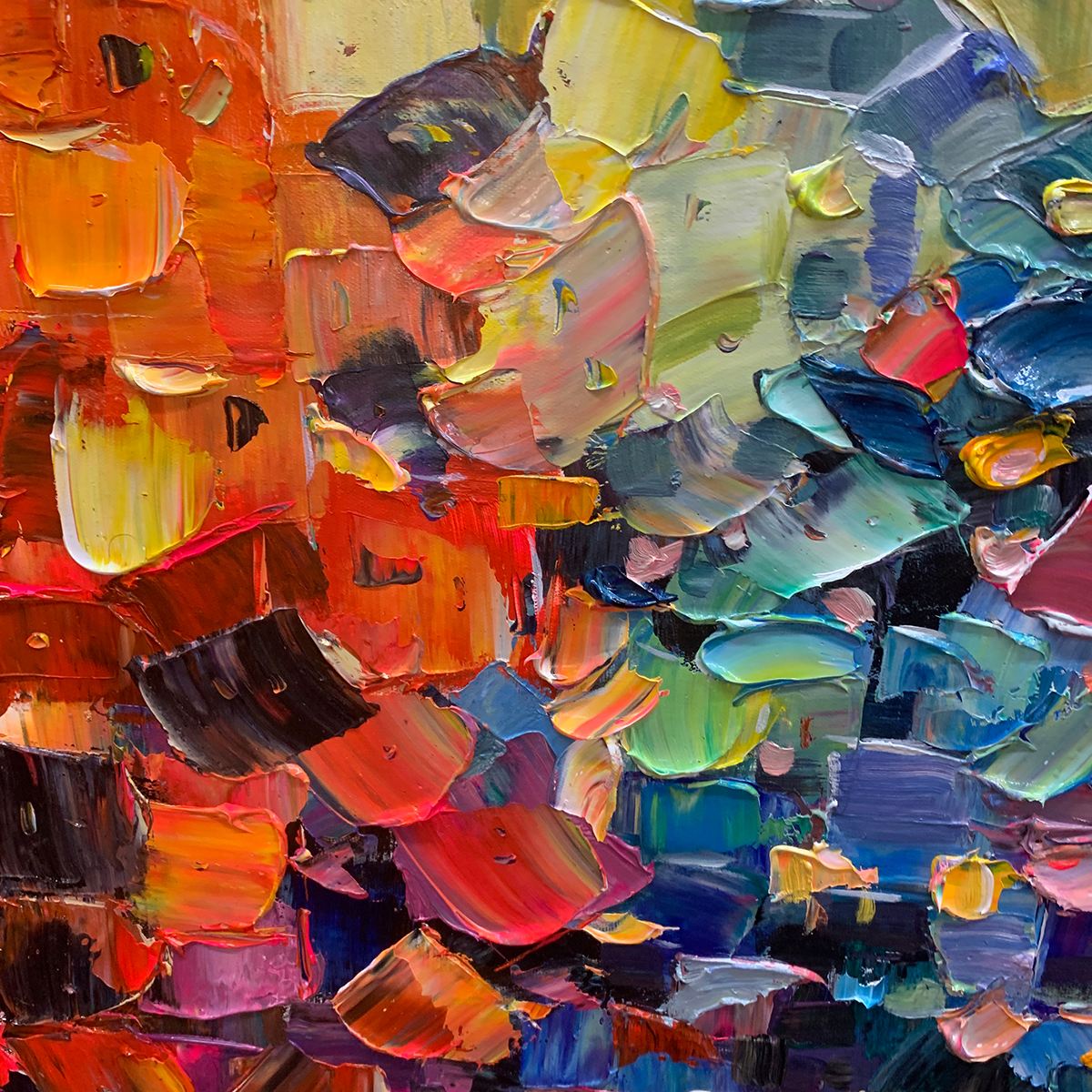
Impasto is a fascinating painting technique that involves applying thick layers of paint to create a striking texture on the canvas. This method not only enhances the visual appeal of a piece but also invites viewers to engage with the artwork on a deeper sensory level. Throughout art history, impasto has held a significant place, being employed by various artists to express emotion and dynamism in their work. This article aims to explore the rich history of impasto, its technical aspects, and its contemporary applications, offering insights for both seasoned artists and those new to the craft.
The Historical Journey of Impasto
The origins of impasto can be traced back to early artistic movements, where artists sought to break free from traditional painting styles. One of the earliest recorded uses of impasto was in the works of the Italian Renaissance masters, such as Titian, who skillfully layered paint to create depth and vibrancy. As art evolved, so did the technique. In the 17th century, the Baroque period showcased artists like Rembrandt, who used impasto to accentuate light and shadow, bringing his subjects to life with palpable texture.
In the 19th century, the Impressionists further embraced impasto, using it to capture the fleeting effects of light and movement. Artists like Vincent van Gogh became renowned for their thickly applied paint, as seen in his iconic works such as "Starry Night." Van Gogh's technique not only conveyed emotion but also transformed the way viewers interacted with his paintings, drawing them into a world of swirling colors and dynamic forms. Over time, impasto has continued to evolve, finding its place in various art movements, including Abstract Expressionism, where artists like Jackson Pollock and Willem de Kooning employed thick applications of paint to express their inner turmoil and spontaneity.
Understanding the Impasto Technique
The impasto technique is characterized by its unique approach to paint application, requiring specific materials and tools. Artists typically use oil or acrylic paints, as these mediums allow for thick layering without drying too quickly. Palette knives, brushes, and even unconventional tools like spatulas are commonly used to manipulate the paint, creating varied textures and forms. The key to successful impasto lies in the application methodartists often apply paint directly from the tube or mix it with a medium to achieve the desired thickness.
When it comes to creating texture, the artist's technique plays a crucial role. By layering paint in different directions or using varied tools, they can achieve a range of effects, from smooth ridges to dramatic peaks. The visual impact of impasto is profound; it adds a three-dimensional quality to the artwork, inviting viewers to appreciate the piece from multiple perspectives. This tactile nature of impasto can evoke emotions, making the artwork feel alive and dynamic, engaging viewers in a way that traditional flat painting cannot.
Impasto in Contemporary Art
In contemporary art, artists like Anselm Kiefer and Gerhard Richter utilize impasto techniques to challenge perceptions and evoke complex emotions. Richter's scraped and layered works, often seen in thick textures, invite viewers to contemplate the interplay of memory and experience. The recent resurgence of impasto highlights its potential to convey narratives, often dragging viewers into a haunting dialogue with the artwork.
Additionally, the accessibility of impasto has inspired a new generation of artists who incorporate this technique into their own styles. Social media platforms have allowed artists to share their work and techniques, fostering a community that celebrates the boldness of impasto. Many contemporary artists experiment with mixed media, combining impasto with collage elements or digital art, pushing the boundaries of traditional painting and exploring new dimensions of expression. This innovative spirit reminds us that impasto is not just a technique of the past, but a vibrant part of the contemporary artistic landscape.
Practical Applications of Impasto
For artists looking to incorporate impasto into their work, there are numerous benefits to using this technique. First and foremost, impasto allows for greater expression, as the thickness of the paint can convey emotion and energy more effectively than flat applications. Additionally, the tactile nature of impasto can make artwork more engaging for viewers, inviting them to explore the various textures and layers present in the piece.
For beginners wanting to experiment with impasto, here are some tips: start with a small canvas to practice, use a palette knife to create varied textures, and dont be afraid to layer paint thickly. Its also helpful to study the works of artists known for their impasto technique, as this can provide inspiration and insight into different approaches. Remember, the key to mastering impasto is to embrace the process and allow your creativity to guide you. With practice, you will discover your unique voice and style through this captivating technique.
Exploring the Depths of Impasto Art
In conclusion, the impasto technique offers a rich history and a multitude of applications in the world of art. From its origins in the Renaissance to its modern interpretations, impasto has evolved into a powerful tool for artists seeking to express emotion and create depth in their work. By understanding the techniques involved and experimenting with its application, artists can unlock new dimensions in their practice. We encourage readers to delve into the world of impasto and discover the vibrant possibilities it holds for their own artistic journeys.
__________________
Page 1 of 1 sorted by
คลังแสง เบบี้ดอล -> เบ็ดเตล็ด -> Unlock the Secrets of Impasto: Dive into Its Rich History and Bold Artistic Applications!